 Limited Availability
 Available for Priority Pre-Booking
Oct 30 – Nov 9, 2027
Regular Price —
Pre-Booking Price $7,995.00
Save $1,000 during pre-booking
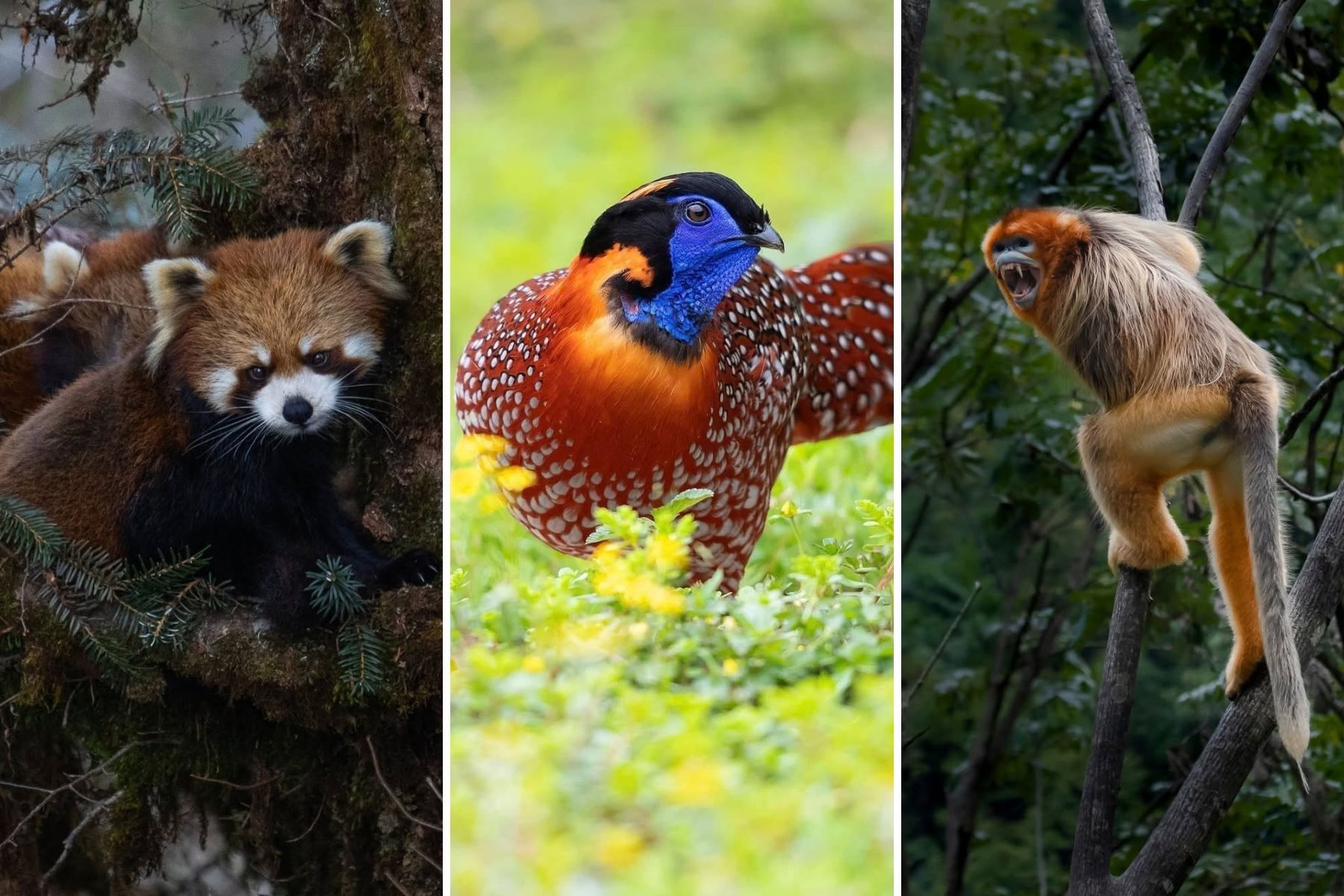
Photograph some of China’s most extraordinary wildlife on an 11-day photography safari through wild China. With only 8 photographers and launch pricing from $7,995, it’s one of the most distinctive values in our wildlife lineup.
Limited Availability Available for Priority Pre-Booking
Limited Availability Available for Priority Pre-Booking
Limited Availability Available for Priority Pre-Booking
Limited Availability Available for Priority Pre-Booking
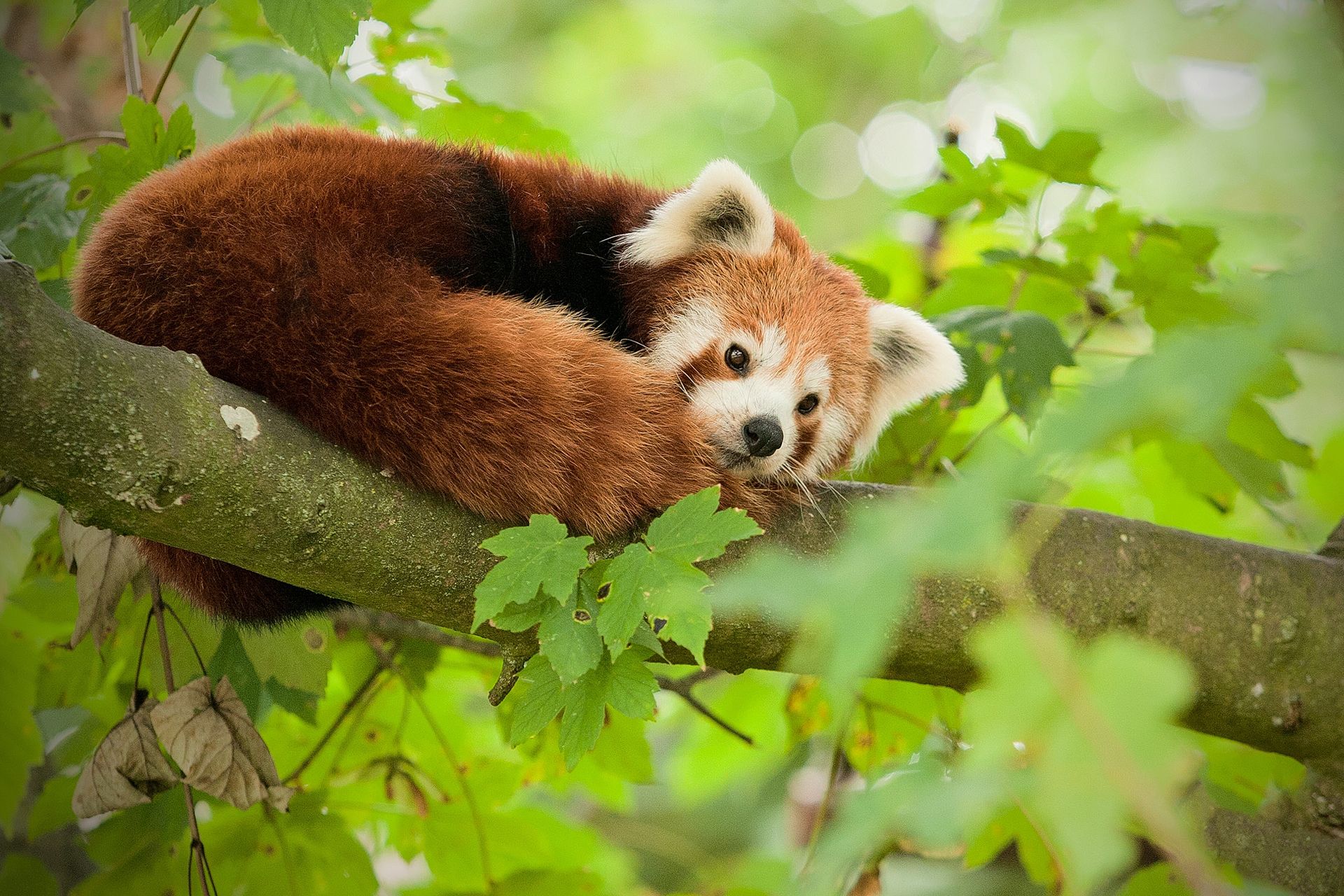 Wild · Forest Search
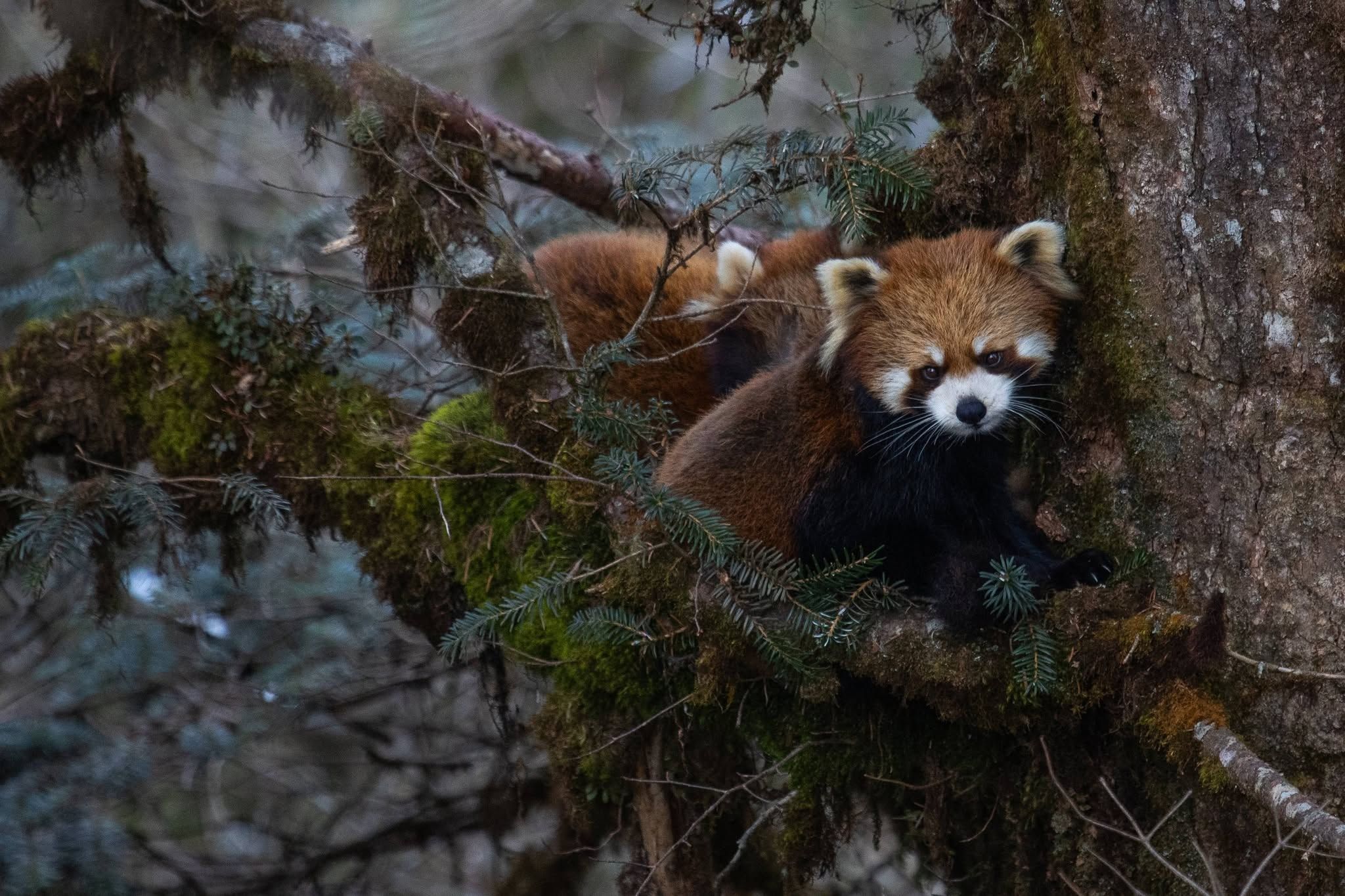
 We dedicate two separate days to searching mossy mountain forest for wild red pandas, giving us more than one chance to work around weather, light, and animal movement.
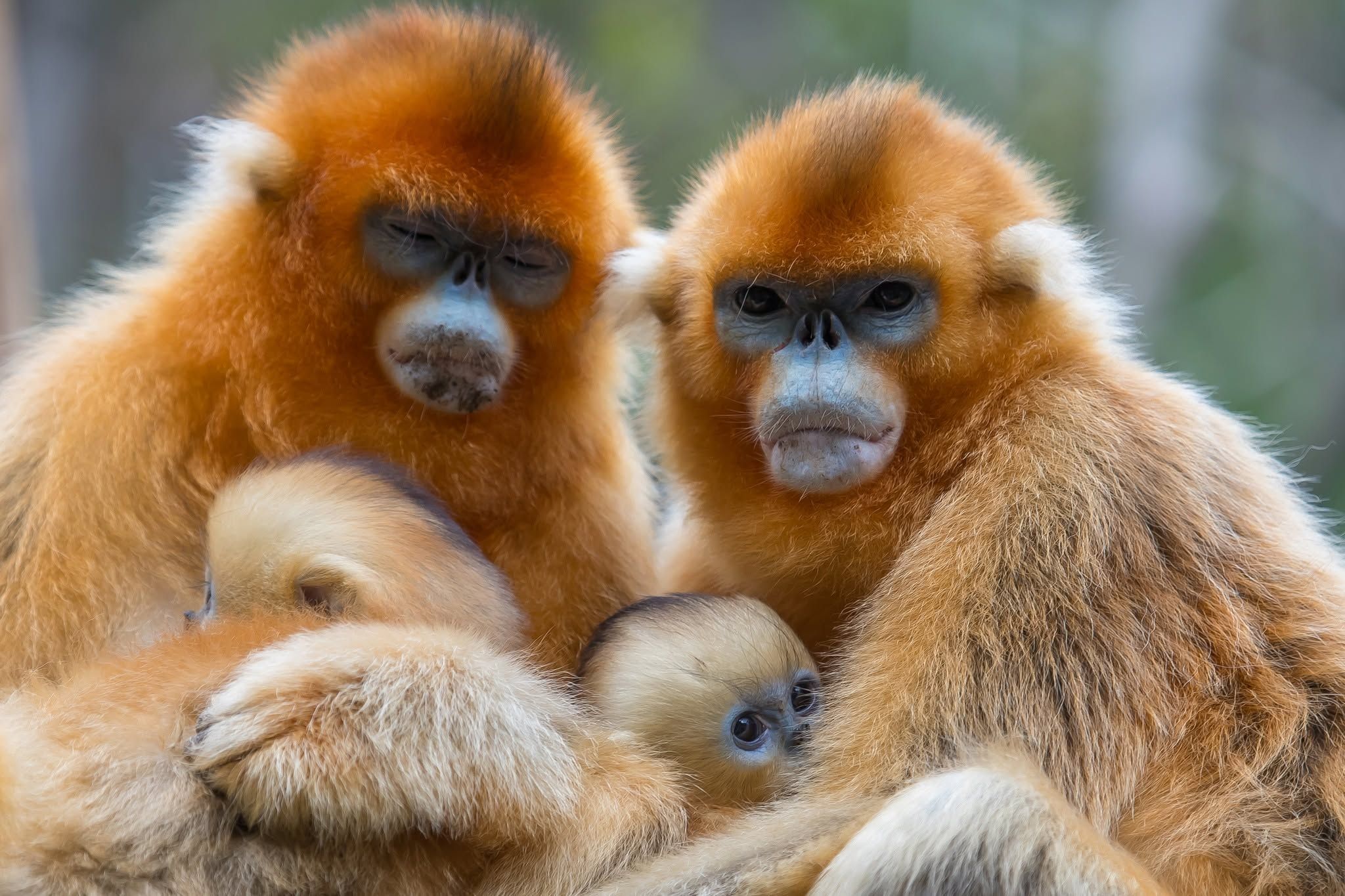 Wild · Full-Day Session
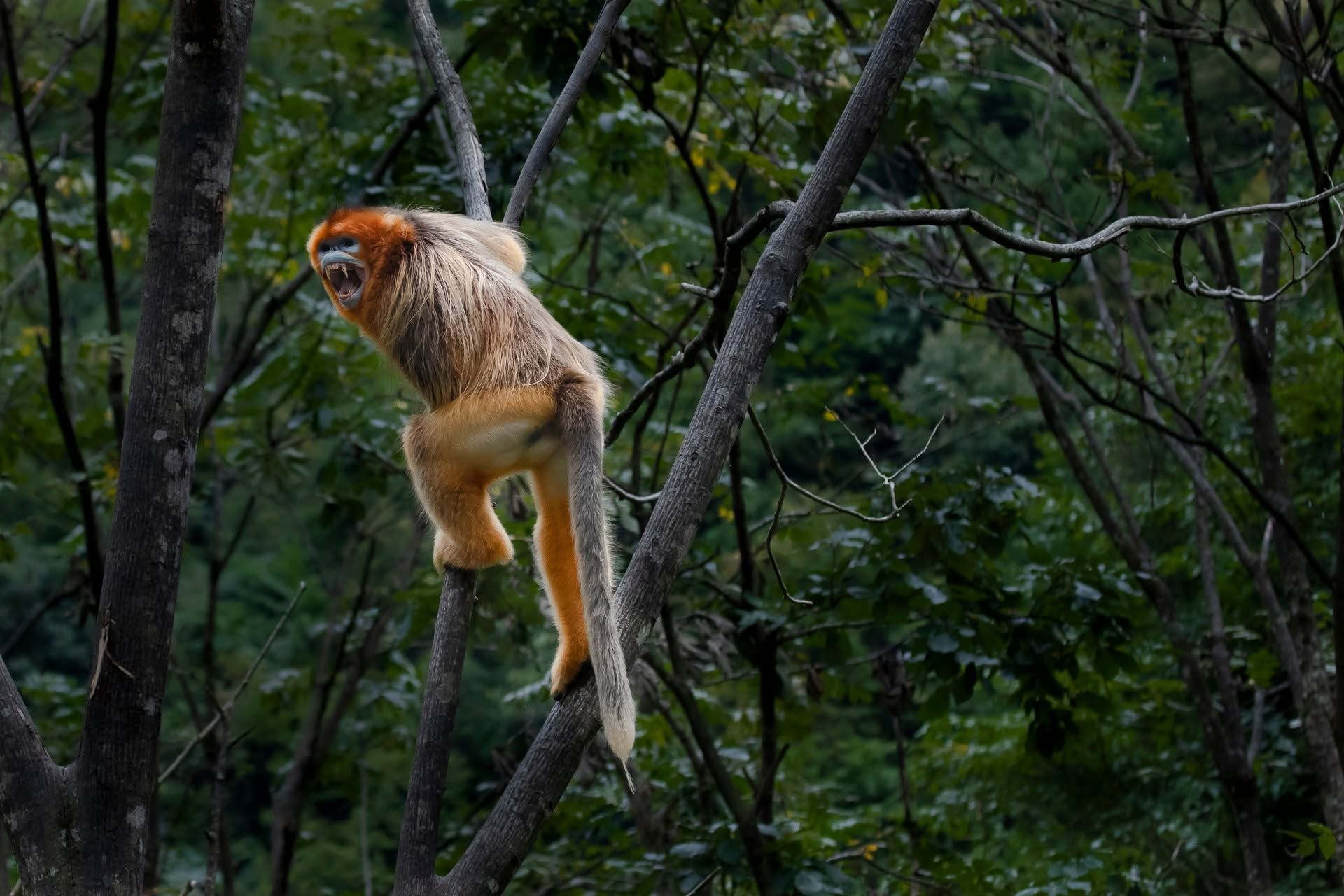
 Golden fur, blue faces, and highly social family groups make this one of China's most photogenic mammals. We devote a substantial session to portraits, behavior, and interaction.
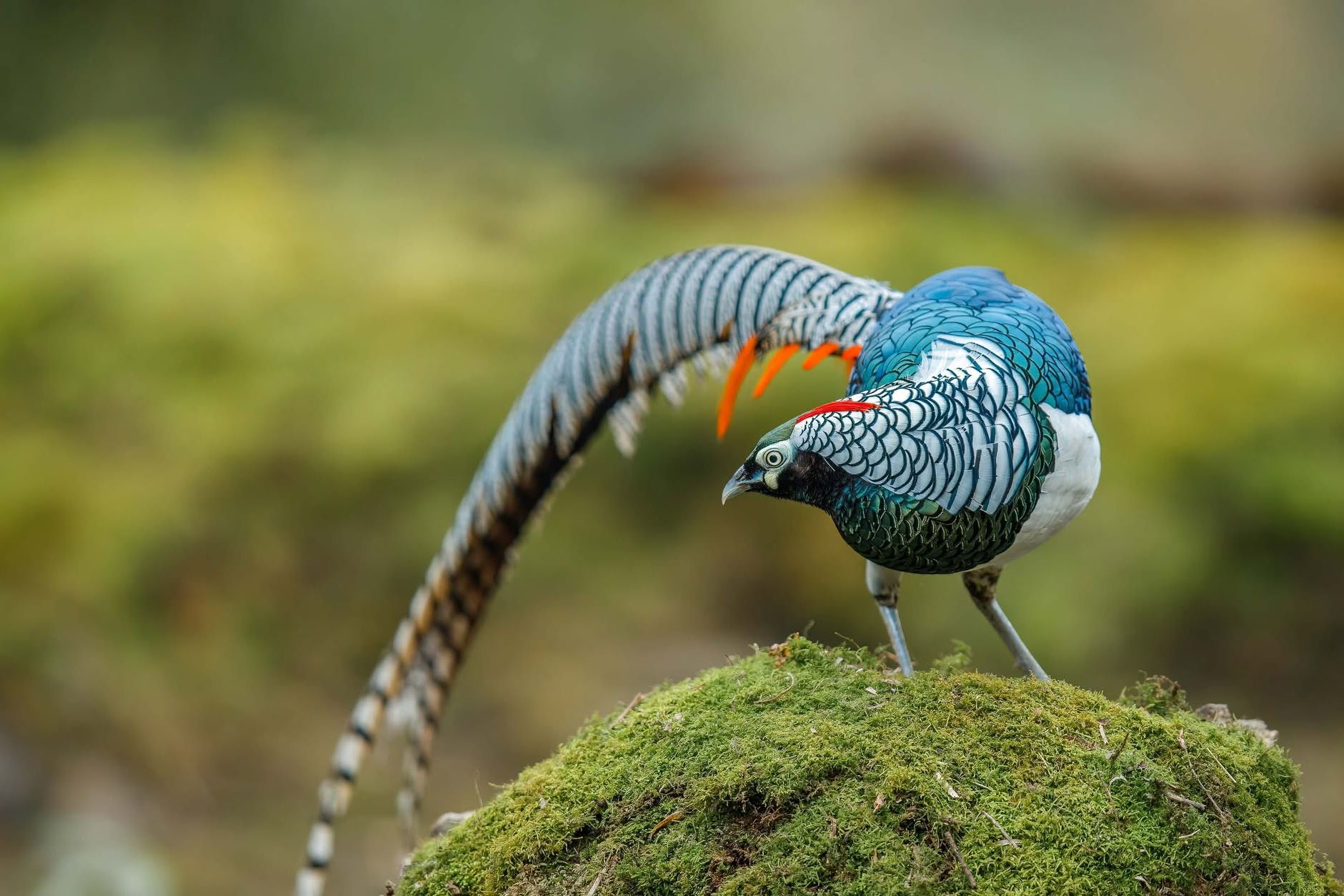 Wild Birds · Photo Hides
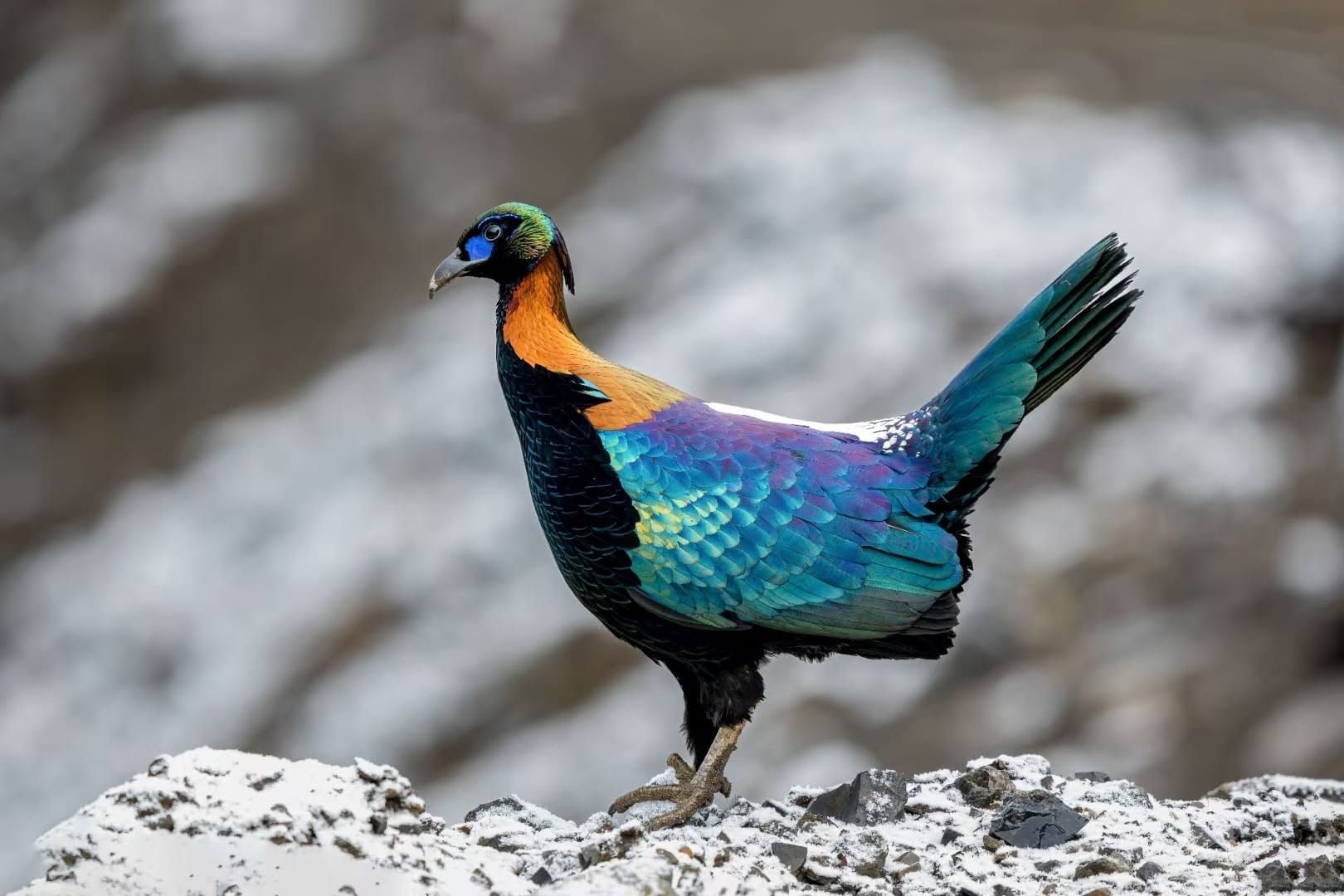
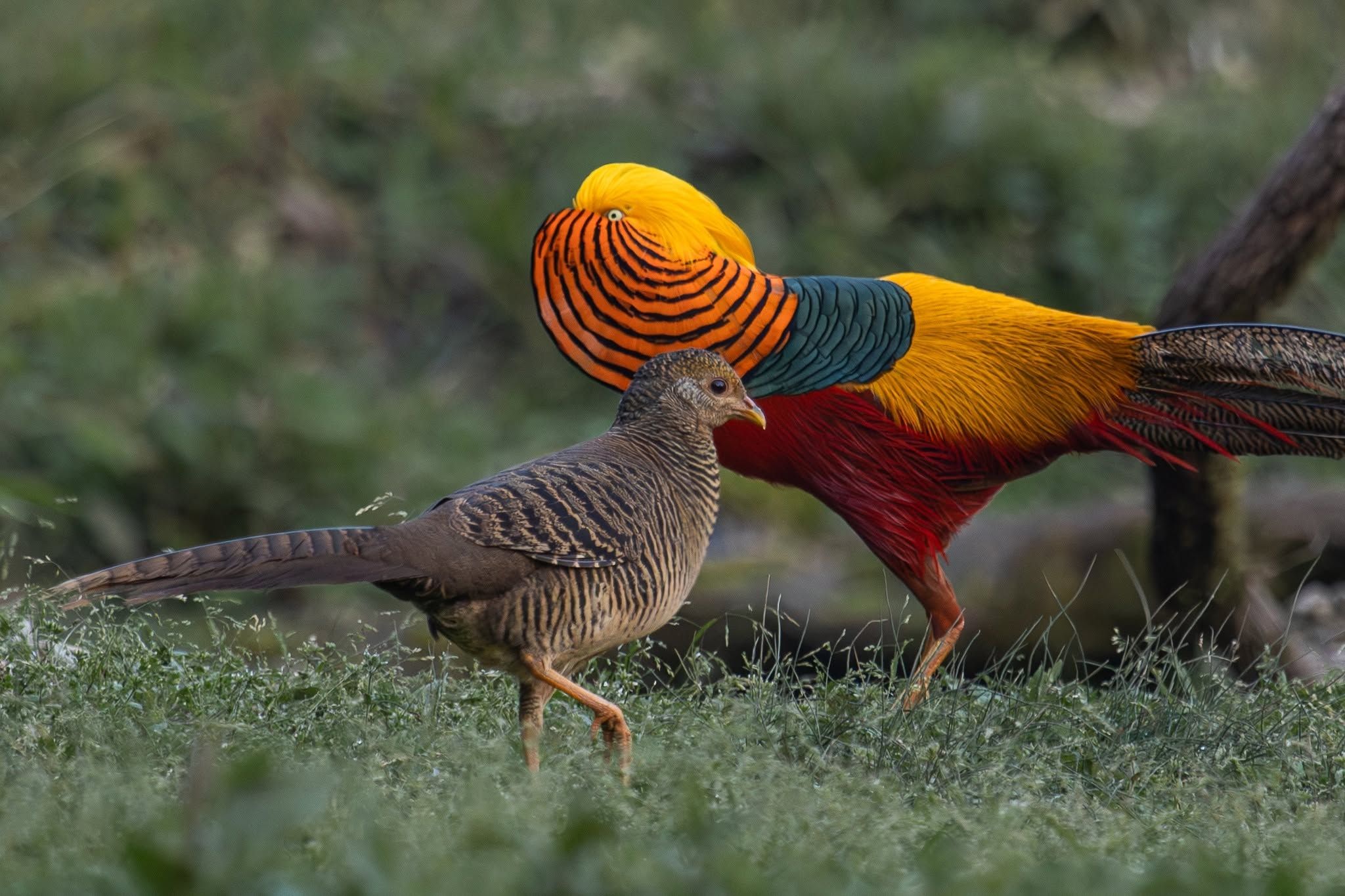
 China is home to some of the most spectacular pheasants on Earth. From dedicated hides, we can photograph completely wild birds such as Lady Amherst’s Pheasant, Temminck’s Tragopan, Silver Pheasant, Sichuan Partridge, Chinese Bamboo Partridge, Golden Pheasant, and Koklass Pheasant at close range.
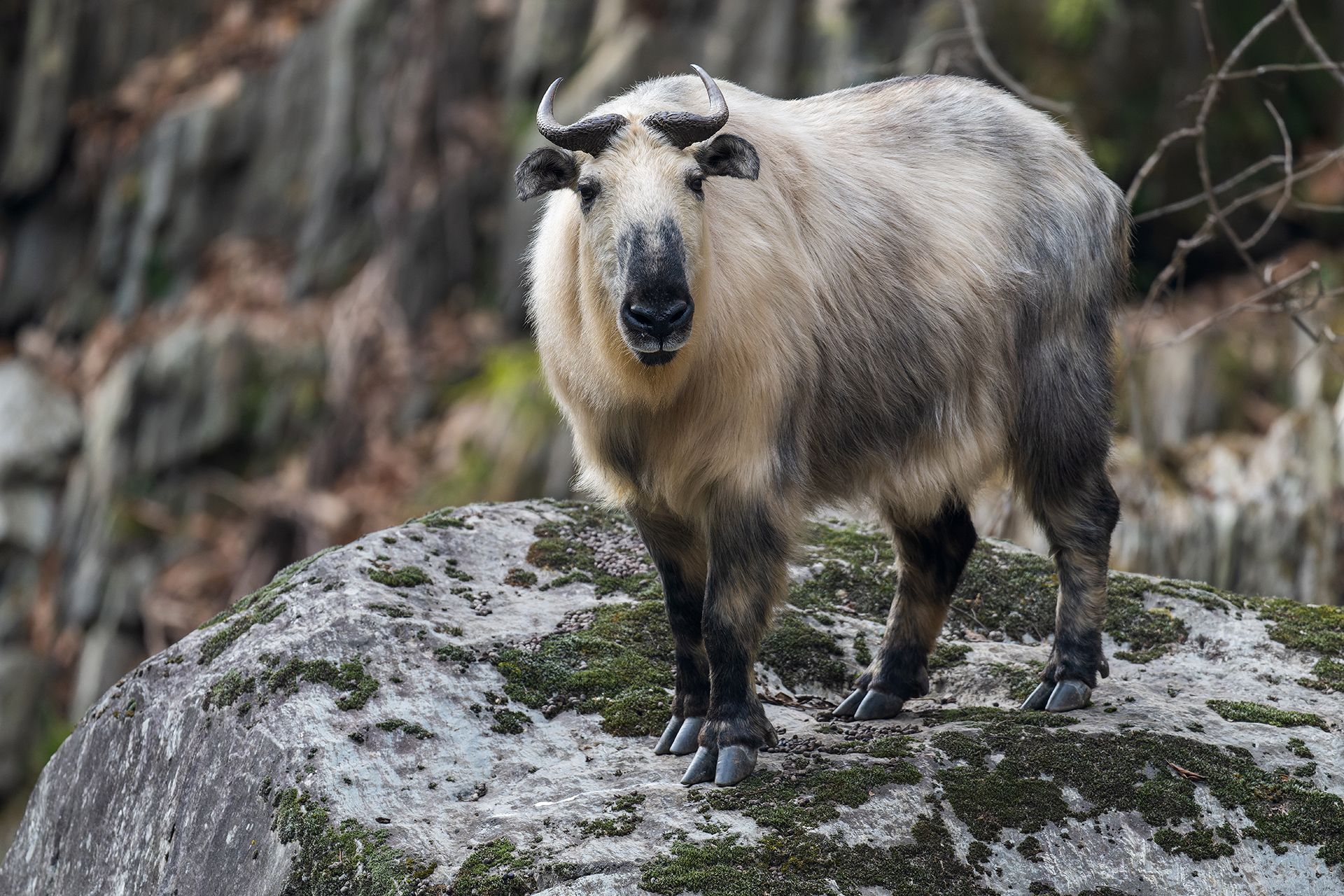 Wild · Reserve Search
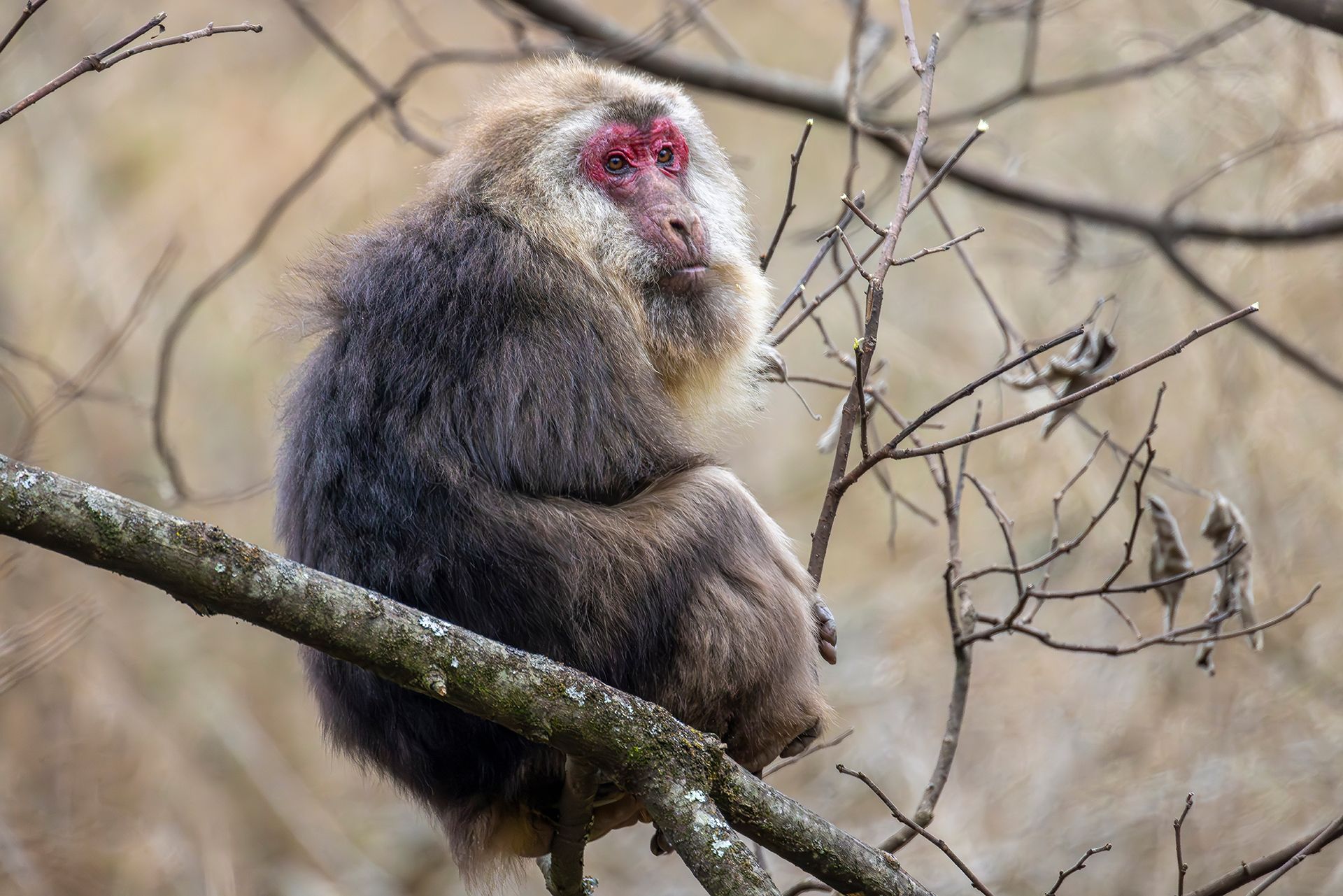
 Tangjiahe gives us two flexible days to search mountain habitat for takin along with Tibetan macaques, goral, serow, muntjac, pheasants, and other wildlife.
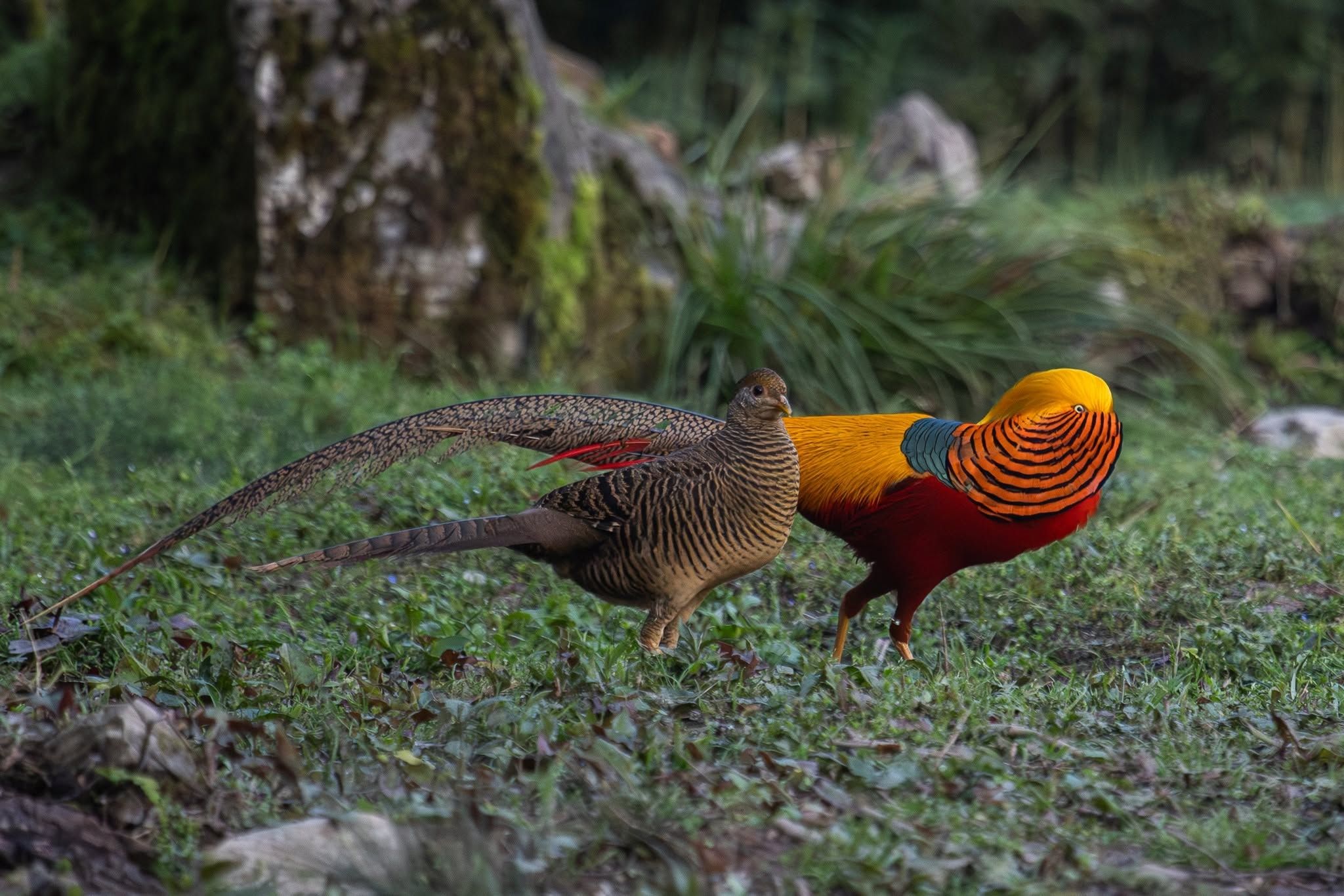 Wild · Forest Birds
 Birding is a major part of this itinerary, not filler between mammals. Beyond the pheasants, possibilities include Emei Shan Liocichla, parrotbills, laughingthrushes, scimitar babblers, fulvettas, woodpeckers, nuthatches, dippers, forktails, and other Sichuan specialties.
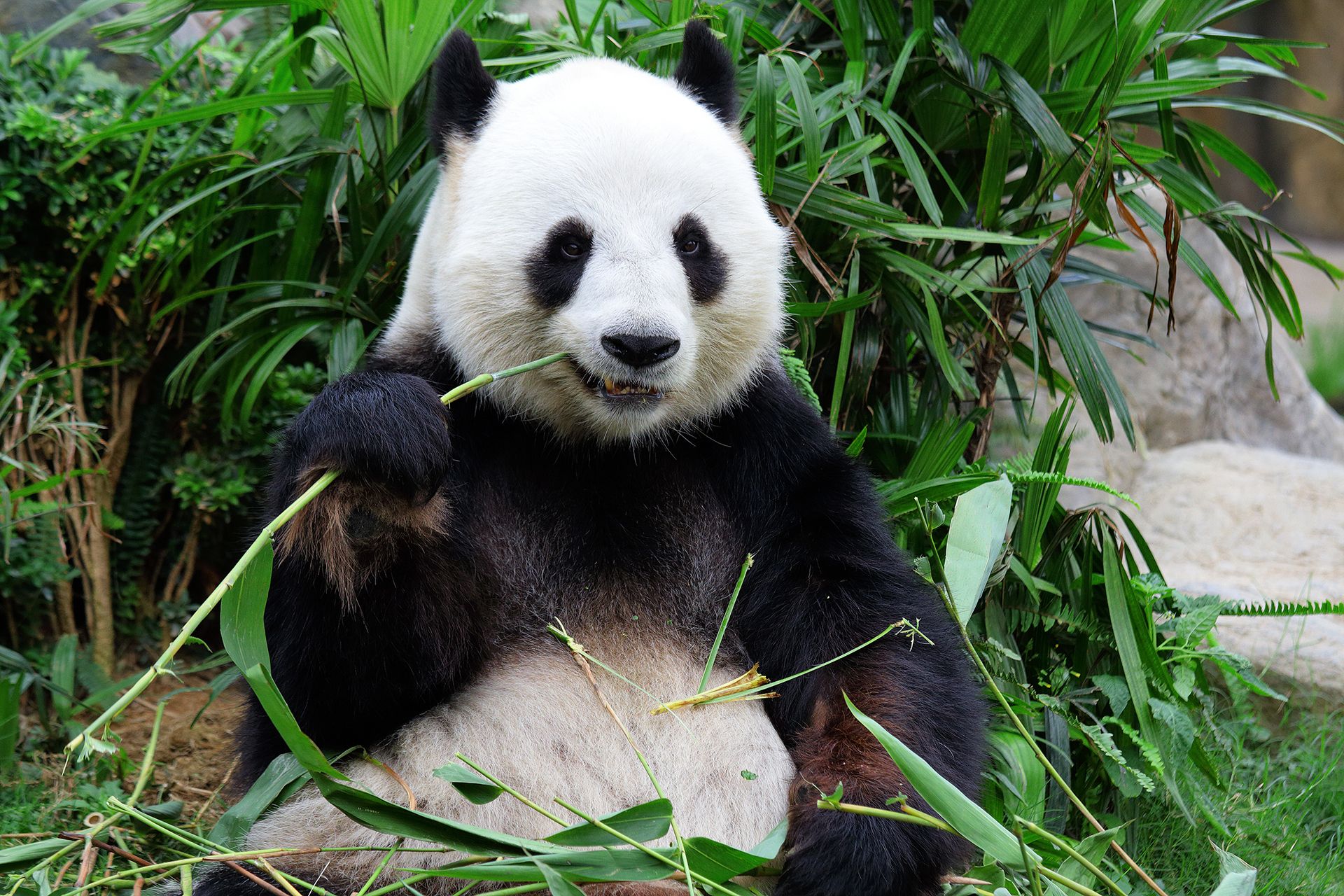 Managed · Research Center
 We finish with a reliable opportunity to photograph giant pandas feeding, climbing, and resting at a breeding and research center.
Long lenses do most of the work here. We recommend reaching roughly 500–600mm for red pandas, birds, and mountain wildlife, with a shorter telephoto useful when subjects come closer.
We move through several of China's best wildlife areas while spending enough time in each place to work around weather, animal activity, and the realities of photographing truly wild subjects.
Most days are not strenuous, but photographers should be comfortable walking short distances on uneven or damp mountain paths while carrying camera gear. The most demanding outing is the golden snub-nosed monkey day, which includes roughly 500 uphill boardwalk steps taken at a comfortable pace with breaks.
Land at Chengdu Tianfu International Airport (TFU), check into the airport-connected hotel, and meet the group for a welcome dinner and orientation. We’ll review the trip ahead, answer last-minute questions, and prepare for our departure into the mountains the following morning.
Go from Chengdu into moss-covered mountain forests. We’ll have two dedicated days to search for wild Red Pandas with our local wildlife guide, giving us valuable flexibility around weather and animal activity. The forest also supports parrotbills, laughingthrushes, scimitar babblers, treecreepers, fulvettas, woodpeckers, and the distinctive Emei Shan Liocichla.
We’ll work quietly from dedicated photography hides while completely wild pheasants and forest birds move into photographic range. Potential subjects include Lady Amherst’s Pheasant, Silver Pheasant, Temminck’s Tragopan, Sichuan Partridge, Chinese Bamboo Partridge, and other regional specialties. On Day 6, we finish with another morning hide session before making our transfer to Tangjiahe.
We have two full days to explore one of Sichuan’s most important protected wildlife areas, searching forested slopes and river valleys for takin, Tibetan macaques, Chinese goral, serow, muntjac, tufted deer, and wild boar. Birdlife may include Golden Pheasants, Koklass Pheasants, woodpeckers, nuthatches, dippers, laughingthrushes, and other forest species. Our local guide adjusts each day around recent sightings, weather, and wildlife activity.
This is one of the signature wildlife days of the trip. We’ll travel into mountain forest habitat and spend as much time as conditions allow photographing these highly social primates— from portraits and family interactions to grooming, feeding, play, and movement through the forest. Afterward, we continue to Dujiangyan for the evening.
We’ll begin the morning at a Giant Panda breeding and research center, giving us a reliable opportunity to photograph China’s most iconic mammal in a managed setting. Later, we’ll turn our attention back to Golden Pheasants and other birdlife before returning to Chengdu for our final evening together.
Departing flights may be scheduled for any time today.
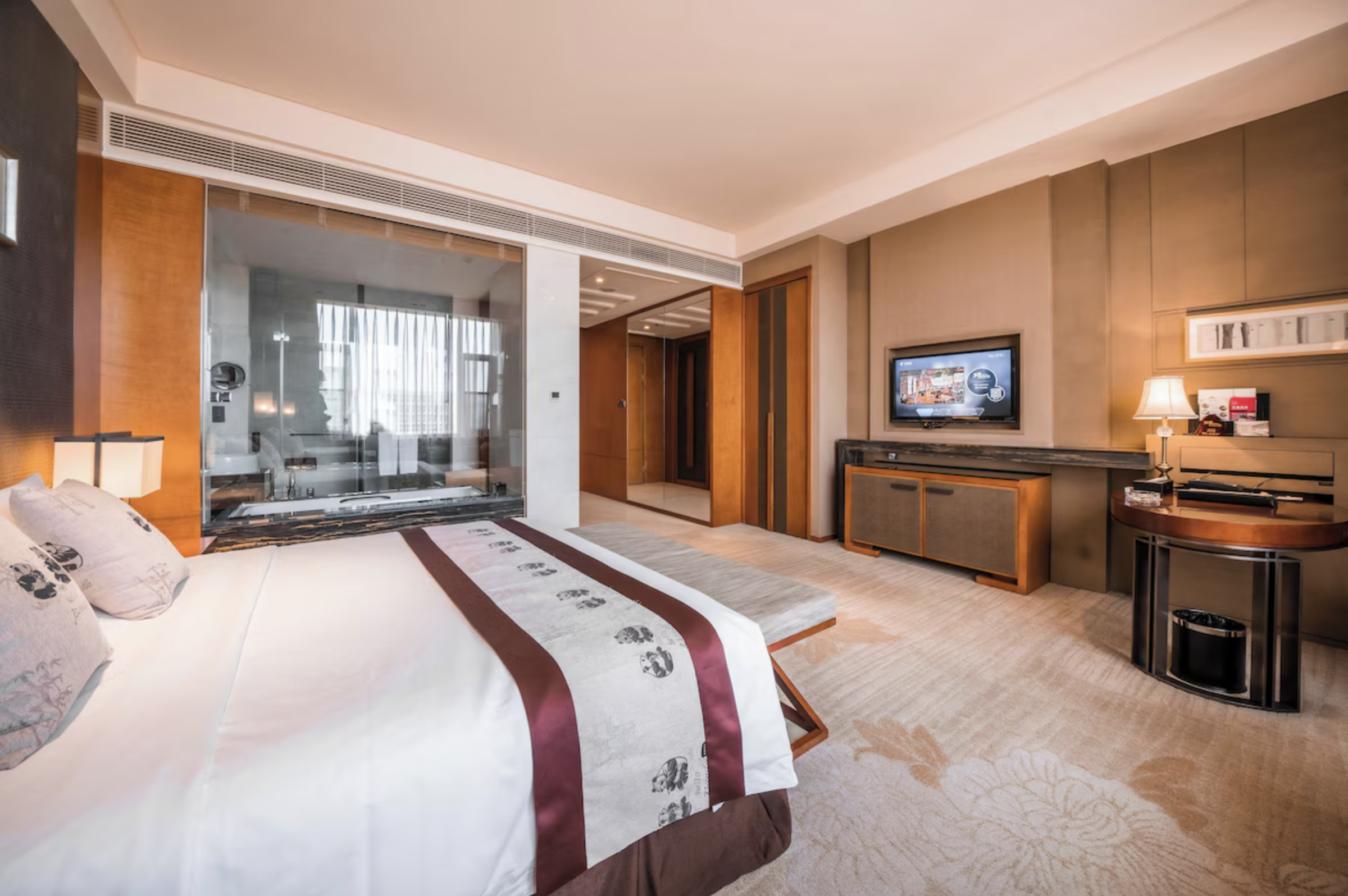
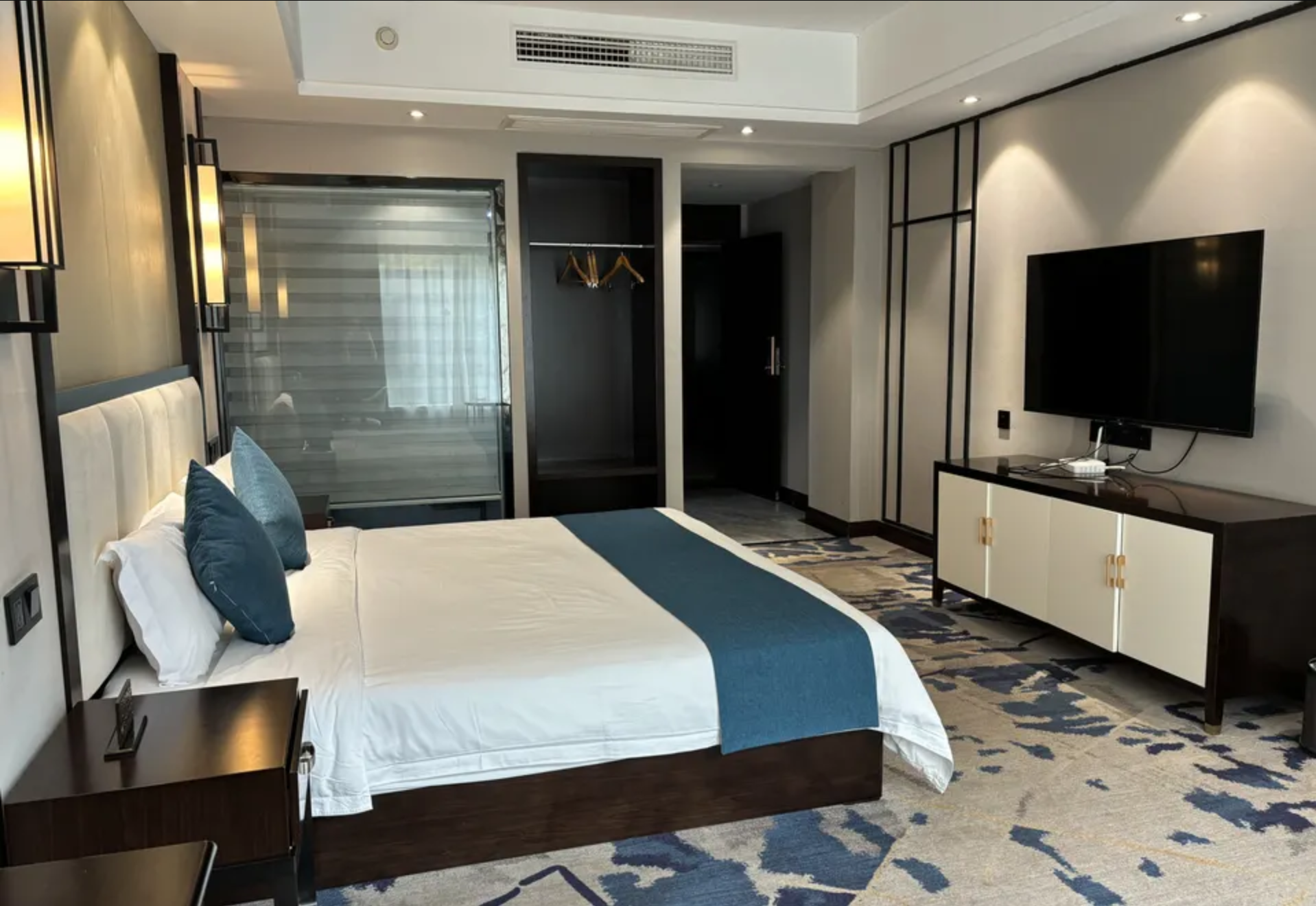
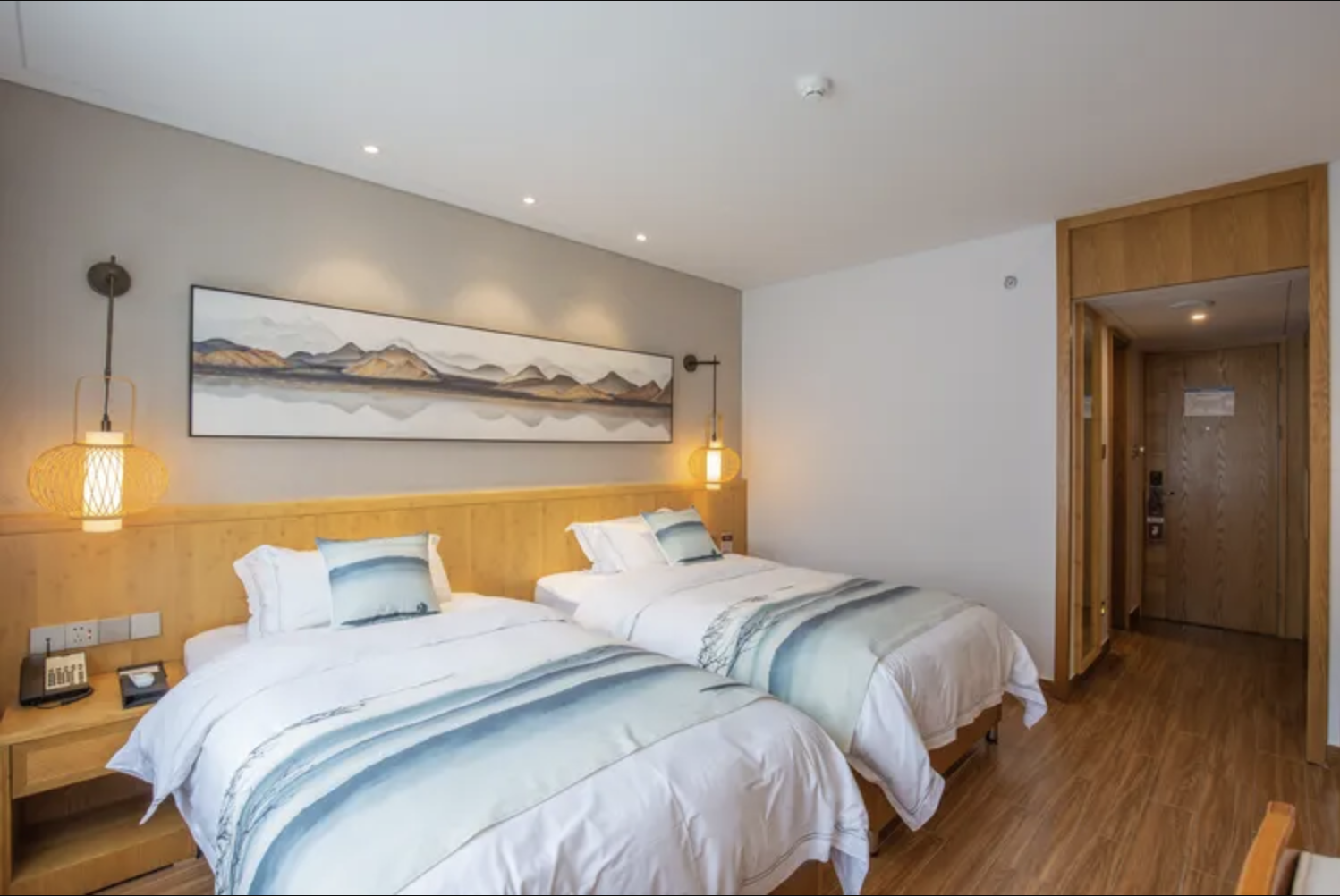
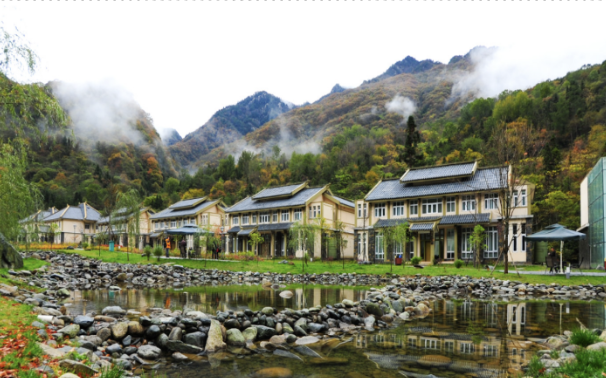
Our days take us into remote mountain forests and wildlife reserves, but we use comfortable hotels and lodges selected for their location, quality, and fit with the itinerary.

Get the detailed day-by-day itinerary or review our recommended camera and field gear before you pre-book.
Get the detailed day-by-day plan or review our recommended camera gear before you pre-book.
Red pandas in mossy forest, golden monkeys, pheasants at close range, takin in protected mountain habitat, and one of the world's most iconic mammals create an unusually varied wildlife portfolio.
Backcountry Journeys combines photography-first trip design, expert field leadership, and a dedicated office team with a worldwide community of passionate photographers.
Explore 150+ worldwide photo tours and workshops designed specifically for photographers, from iconic U.S. National Parks to remote wildlife destinations around the world.
Our trips are led by expert photography guides and backed by a dedicated office team providing seamless planning, logistics, and customer support from booking through your return home.
Travel with a small group of passionate photographers and share unforgettable experiences in a welcoming environment where friendships often extend well beyond the trip.
“Rosemarie did a great job getting us out and on the road to see great subjects, which is the purpose of going on a guided trip. She knew the area and helped get us out in good light where we could get good images.”
Joseph V.“Sam was able to accommodate both the clients with extensive expertise in photography and the clients needing guidance in wildlife photography.”
Rika R.“We saw a ton of animals and it was nice to see such a variety. The guides and boat captains did a great job of finding a variety of animals and taking us to a variety of locations while navigating the weather.”
Traci Z.Important details for planning your China wildlife photography safari.
Choose your preferred departure between October 8 and 14 and submit the short pre-book form. There is no payment at this step. Our team will contact you personally, answer questions, and help secure your reservation with the deposit. Remaining availability opens publicly on October 15.
That is one of the primary goals of the trip. We spend two dedicated days searching mountain forest habitat for wild red pandas. As with any wild subject, sightings can never be guaranteed, but the itinerary is deliberately built to give us multiple opportunities.
Wild giant pandas live in the region, but sightings are extraordinarily rare. The itinerary therefore includes a visit to a giant panda breeding and research center on Day 10, providing a reliable photography opportunity in a managed setting.
Yes. The birds are wild and free-moving. The hides are positioned at feeding areas and productive habitat, but the birds are not captive or controlled, so activity varies naturally from session to session.
This is a Level 2 trip. Most photography involves short walks, vehicles, hides, and time spent waiting for wildlife. The main physical effort comes on Day 9, when reaching the golden snub-nosed monkeys requires roughly 500 uphill boardwalk steps.
A super-telephoto is the core of the kit. A 180–600mm, 200–600mm, 100–500mm, 600mm prime, or similar lens is ideal, along with a 100–400mm or 70–200mm for closer wildlife and environmental images. A backup body, tripod, and rain protection are strongly recommended.
Entry requirements depend on your nationality and the rules in effect when you travel. Guests should confirm current requirements with the appropriate Chinese embassy or consulate. If an invitation letter is needed for a visa application, our local operator can provide an official itinerary-based invitation letter with company documentation.
Sichuan's mountain wildlife areas can be cool, damp, foggy, and changeable. Spring brings fresh green forest and active birds, while late October and November can bring autumn color, chilly mornings, mist, and the possibility of early mountain snow.
Yes—bird photography is one of the best reasons to choose this itinerary. Potential subjects include Lady Amherst’s Pheasant, Temminck’s Tragopan, Silver Pheasant, Sichuan Partridge, Chinese Bamboo Partridge, Golden Pheasant, Koklass Pheasant, Emei Shan Liocichla, parrotbills, laughingthrushes, scimitar babblers, fulvettas, woodpeckers, nuthatches, dippers, forktails, and other regional specialties. Dedicated hides give us time to work on backgrounds, behavior, pose, and composition rather than simply documenting a sighting.
Both spring and autumn are great times for this itinerary. In spring, birds will be in the midst of their courtship rituals, while in autumn, many birds species come down in elevation and are more accessible for photography, increasing the diversity of species we can capture. Either time of year is great for mammals.
Ask about wildlife, hides, seasons, camera gear, flights, visas, rooming, or which departure is right for you.
Rare mammals, spectacular endemic birds, and a photography-first itinerary through one of Asia’s most remarkable wildlife regions. Pre-book by October 14 to save $1,000 before regular pricing begins.